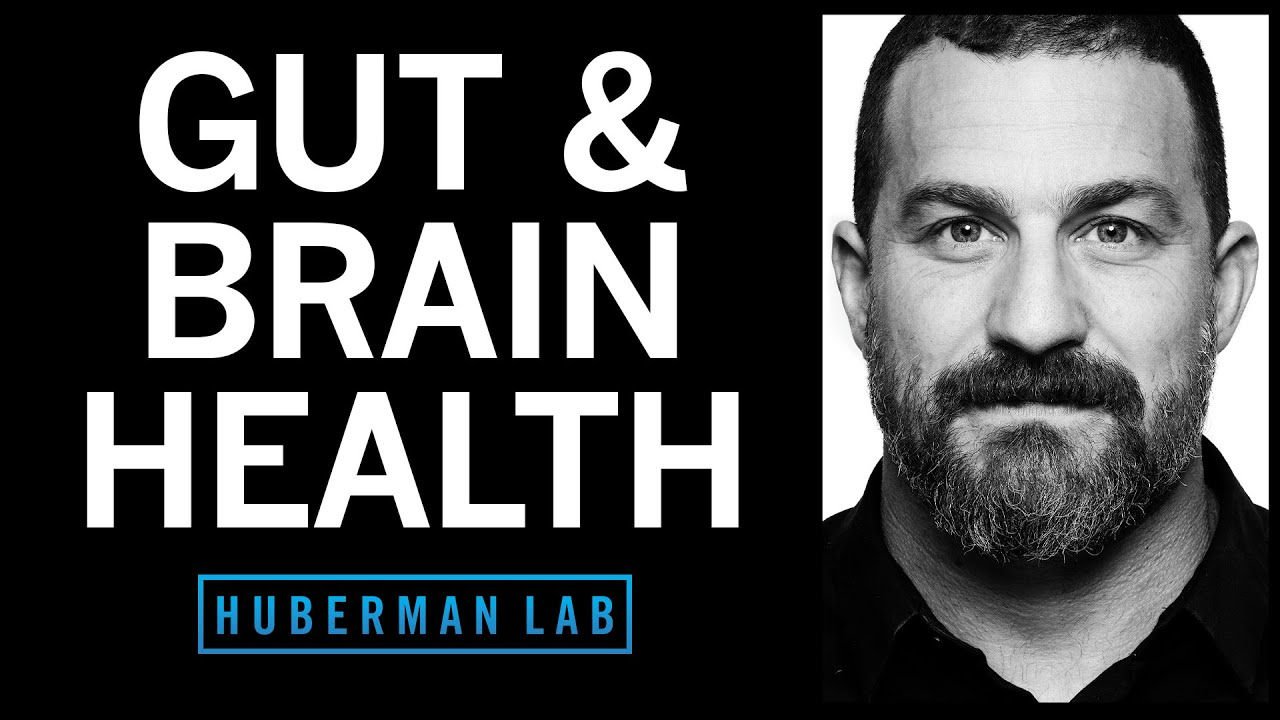
Are you fighting internal battles that hinder your sense of peace? Imagine transforming those struggles into empowering strengths. Enter Internal Family Systems (IFS) Therapy, a groundbreaking approach to emotional healing and personal growth.
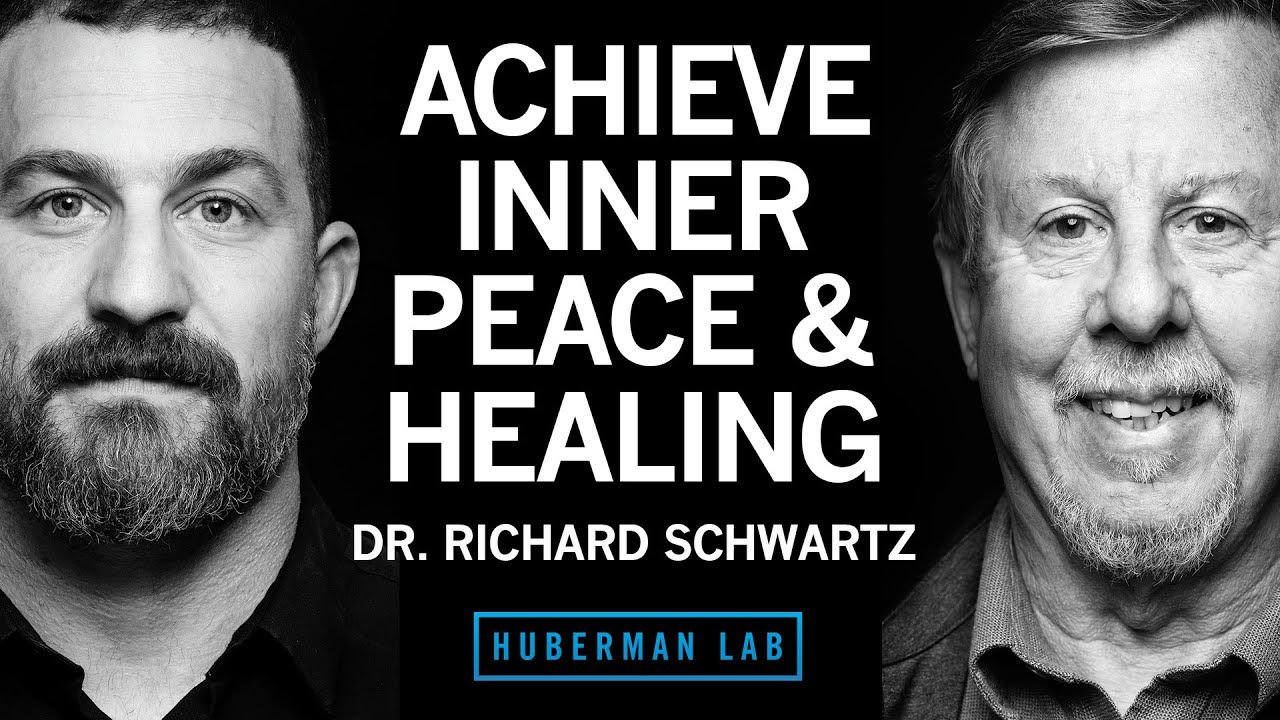
In this captivating episode of the Huberman Lab Podcast, Dr. Andrew Huberman welcomes Dr. Richard Schwartz, the visionary behind IFS Therapy, to explore a transformative paradigm that shifts the focus from external relationships to the intricate patterns that govern our inner worlds.
IFS Therapy operates on the revolutionary premise that our minds comprise different “parts” or subpersonalities, each with unique roles and functions. These parts are natural and beneficial, yet trauma or emotional distress can imprison them in unproductive roles, manifesting as anxiety, depression, or negative self-talk. Dr. Schwartz illustrates a novel framework where these subpersonalities are not antagonistic forces but allies waiting for liberation and understanding.
During this enlightening conversation, Dr. Schwartz guides Dr. Huberman through a live IFS session, allowing listeners a firsthand glimpse of its processes. The goal? To free your internal “protective parts” from their burdens and realign them into nurturing roles, fostering harmony within yourself. Imagine the relief of setting your inner critic on a path of support, no longer an adversary but a compassionate coach.
An impressive aspect of IFS is its holistic nature. It not only addresses psychological challenges but encourages continuous personal development, urging individuals to engage daily with their inner narratives. Dr. Schwartz envisions a world where emotional intelligence practices like IFS are integral to our lives, promoting a cultural shift towards self-compassion and empathetic action.
Real-world stories enrich this narrative. Take Dr. Huberman’s personal journey from being a workaholic driven by a deep fear of inadequacy to embracing a balanced approach inspired by his newfound love for his bulldog’s serene pace. It’s a testament to the profound reshaping IFS facilitates—transitioning from compulsive behaviors to enjoying meaningful pursuits.
The exchange is peppered with insights into the common fear shared by many—the fear of mortality and how it subtly drives compulsive actions. However, Dr. Schwartz’s method invites us to unravel these fears, enabling us to replace dread with understanding and growth. This podcast episode is not merely a discussion but an invitation to embark on a self-exploratory journey alongside Dr. Huberman, engaging in a real-time IFS practice that promises clarity, peace, and resilience.
Join Dr. Huberman as he uncovers the intricacies of IFS with Dr. Schwartz, and explore how this therapy could revolutionize not just psychotherapy, but how we perceive and nurture our inner landscapes.
No related products found.
<ul>
<li>Internal Family Systems (IFS) Therapy addresses the multiplicity of human minds by recognizing distinct subpersonalities existing within an individual.</li>
<li>The goal of IFS is to transform these subpersonalities from defensive roles to harmonious ones, promoting internal balance.</li>
<li>Dr. Schwartz emphasizes a daily practice of self-check-ins, facilitating ongoing personal growth and emotional resilience.</li>
<li>IFS reveals underlying fears, such as those of inadequacy and mortality, that often drive addictive behaviors.</li>
<li>Engaging with one’s ‘internal’ world can lead to transformative personal revelations, reshaping how individuals approach both personal and professional domains.</li>
<li>By acknowledging and understanding our protective subpersonalities, we can foster healthier self-relationships and emotional well-being.</li>
</ul>
welcome to the huberman Lab podcast
where we discuss science and
science-based tools for everyday
[Music]
life I'm Andrew huberman and I'm a
professor of neurobiology and
Opthalmology at Stanford School of
Medicine my guest today is Dr Richard
Schwarz Dr Richard Schwarz is the
founder of internal family systems
therapy which is a unique form of
therapy that's less centered on your
relationship to other people but instead
focuses mainly on identifying the parts
of yourself and your personality that
tend to emerge in different situations
and that tend to create anxiety resent
or depression another key feature of
internal family systems therapy is that
it's not just focused on fixing
challenges within us it also teaches you
how to grow your confidence openness and
compassion now today's episode is
different than any other episode of the
podcast that we've done before and
that's for two reasons first Dr Schwarz
takes me through a brief session of ifs
therapy so you can see exactly what it
looks like in practice and then he takes
you The Listener through it as well so
as you'll soon observe and experience
internal family systems therapy allows
you to work through challenging sticking
points basically the parts or feelings
within you that you don't like to have
and then it shows you how to convert
those feelings into more functional
aspects of yourself so as you'll soon
see internal family systems therapy is
both super interesting and it's an
incredibly empowering practice it's also
a form of therapy that's now been
studied and for which there's a lot of
peer-reviewed science to support its
efficacy by the end of today's episode
Dr dick Schwarz will have shown you that
a lot of the negative reactions that we
tend to have with different people and
things tend to originate from a few
basic patterns that once we understand
we can really transmute into more
positive responses it's a really
interesting practice it's one that you
can apply today during the episode and
that you can return to in order to apply
going forward in your life before we
begin I'd like to emphasize that this
podcast is separate from my teaching and
research roles at Stanford it is however
part of my desire and effort to bring
bring zero cost to Consumer information
about science and science related tools
to the general public in keeping with
that theme this episode does include
sponsors and now for my discussion with
Dr Richard
Schwarz Dr dick Schwarz welcome thank
you Andrew it's a delightful to be with
you yeah I've uh heard so much about you
and your work and internal family
systems models um I've had the
opportunity to do a little bit of that
work to be honest I don't know whether
or not the person I did that work with
um was formerly trained in it so I'd
like to start off by just asking you
what is internal family systems
and what are the different components
and as we do that I'm sure people are
going to be thinking about these various
components for their own life and the
people in their lives corre yeah well
originally I developed it as a form of
psychotherapy which is probably the way
it's used most now but it's also become
a kind of Life practice and a just a a
paradigm for understanding the human
mind and to as an alternative to the
cultures Paradigm so that's um saying a
lot uh and it's been quite a
journey I know of fraan
psychoanalysis I know of you know any
number of different branches of
psychology that have a clinical slant to
them there's cognitive behavioral
therapy what are what are the core
components of internal family systems
yeah so one basic assumption is that the
mind isn't unitary that actually it's uh
we're all multiple personalities not in
the diagnostic sense but we all have
these what I call Parts other systems
call
subpersonalities ego States things like
that uh and then it's the natural state
of the mind to be that way that we're
born with them because they're all very
valuable and uh have qualities and
resources to help us survive and and
Thrive but trauma and what's called
attachment injuries and the slings and
arrows we suffer Force these little
naturally valuable Parts into roles that
can be
destructive often they don't like it all
but because they're frozen often in time
in the during the trauma and they live
as if it's still happening they're in
these protective roles that uh can be
quite extreme and interfere in your life
and uh yeah so I just stumbled on the
phenomena 40 now I think it's 41 years
ago and it's been you know amazing ride
so at the time were you already
practicing as a clinical psychologist I
actually have a PhD in Maryland family
therapy so I was
part of the movement in Family Therapy
away from inas Psychic work and there
was a polarization and we thought we
could reorganize families and heal all
these symptoms just by doing that we
didn't have to muck around in the inner
world and I went to prove that and this
was about
1983 by getting a group of bulimic kids
together in their
families
and tried to reorganize the families
just the way the book said to and failed
that the the kids didn't realize they'd
been cured and they kept binging and
purging so out of frustration I began
asking why and they started talking this
language of parts and they would say
some version of when something happens
bad bad happens in my life it triggers
this critic who's calling me all kinds
of names inside and that goes right to
the heart of a part that feels empty and
alone and
worthless and that's so distressing to
feel that the binge part comes in and
takes me out takes me away from all that
pain but the critic comes in and attacks
me for the
binge and then the criticism goes right
to the heart of that that worthless part
so to me as a family therapist this
sounded like what I'd been studying in
external families these circular
sequences of interaction and so I just
got curious and just started to explore
are these different parts that exist
within each and all of us
are they represented by a clear and
distinct voice from the other or do
people typically experience them as just
the self like my inner critic uh um
you'll give us the other names and
titles um or is this happening typically
below people's conscious awareness some
of both so most people are aware they're
critic
and uh but other other times you're not
aware of these parts call Exiles that
you've locked away because you didn't
want to feel their feelings they're
stuck in these bad trauma scenes and to
survive in your life you had to push
them away and so with those parts a lot
of people aren't really consciously
aware of them until these protector
Parts give space and open the door to
the
Exiles I'd like to take a quick break
and acknowledge our sponsor better help
better help offers Professional Therapy
with a license therapist carried out
entirely online now I personally have
been doing therapy weekly for well over
30 years in fact I consider doing
regular therapy just as important as
getting regular exercise which of course
I also do every week there are
essentially three things that great
therapy provides first of all it
provides a good rapport with somebody
that you can trust and talk to about
pretty much any issue with second of all
it can provide support in the form of
emotional support and directed guidance
and third expert therapy can provide
useful insights insights that allow you
to better not just your emotional life
and your relationship life but of course
also the relationship to yourself and
your professional life and to all sorts
of goals better he help makes it very
easy to find an expert therapist with
whom you resonate with and that can
provide you those three benefits that
come from effective therapy also because
better help allows for therapy to be
done entirely online it's super time
efficient and easy to fit into a busy
schedule if you'd like to try better
help you can go to betterhelp.com
huberman to get 10% off your first month
again that's betterhelp.com / huberman
today's episode is also brought To Us by
David David makes a protein bar unlike
any other it has 28 gram of protein only
150 calories and 0 gram of sugar that's
right 28 gram of protein and 75% of its
calories come from protein this is 50%
higher than the next closest protein bar
David protein bars also taste amazing
even the texture is amazing my favorite
bar is the chocolate chip cookie dough
but then again I also like the new
chocolate peanut butter flavor and the
chocolate brownie flavor basic basically
I like all the flavors a lot they're all
incredibly delicious in fact the
toughest challenge is knowing which ones
to eat on which days and how many times
per day I limit myself to two per day
but I absolutely love them with David
I'm able to get 28 grams of protein in
the calories of a snack which makes it
easy to hit my protein goals of one gram
of protein per pound of body weight per
day and it allows me to do so without
ingesting too many calories I'll E A
David protein bar most afternoons as a
snack and I always keep one with me when
I'm out of the house or traveling
they're incredibly delicious and given
that they have 28 gram of protein
they're really satisfying for having
just 150 calories if you'd like to try
David you can go to
david.com huberman again that's
david.com
huberman I definitely want to go into
what the various protector roles or
titles are labels excuse me and the
Exiles before we do that uh since you
brought up the topic of trauma this is a
topic that I think many many people are
interested in I'm just curious you know
how do you define a trauma um
and why do you think it is that traumas
tend to lock us into uh a state that was
representative of an earlier time why is
it that it's so linked to this thing of
time
perception yeah the why question I can't
totally answer but definitely is and for
me traumas aren't necessarily
traumatizing so something bad happens to
you and if you can access what you and
Martha Beck were calling the the self
capital S and you go to the part of you
that got hurt by what happened instead
of pushing it away and locking it up and
you embrace it and you bring it closer
to you which means going to your
suffering which is counter to what most
of us try to do but if you were to do
that and you could help it on Lo the
feelings it got from the trauma then
you're not traumatized what's
traumatizing is something bad
happens these more vulnerable parts of
us the most sensitive parts of us get
hurt or feel worthless because of what
happened or get
terrified and then we lock them away
because we don't want to feel that
feeling anymore and everybody around us
tells us to just let it go just move on
Don't Look Back and so we wind up
exiling our most sensitive parts simply
because they got hurt and then when you
have a lot of
Exiles you feel more delicate the world
seems more dangerous because anything
could trigger that and when they get
triggered they'll they'll blow up
they'll take over so it's like these
flames of raw motion come popping out so
other parts have to are forced into
these manager roles or or these
protective roles and some of them are
trying to manage your life so that you
don't get triggered anymore so that for
example nobody gets close enough to you
to trigger any of that or so you you
look really good so you don't get
rejected or perform at a really high
level to counter the
worthlessness many of those become the
critics because in their effort to try
to get you to look good they're yelling
at you to try and behave and and do what
they want so you look better
uh and and then there are other what we
call manager protectors that are for
some people particularly women have
these massive caretaking parts that
don't let them take care of themselves
and take care of everybody else and so I
could go on and on there's a lot of
common manager roles and I want to make
clear as I'm talking about this that
these are not the essence of the parts
and that's a big mistake that most of
the field has made is to assume the
critic is just a internalized critical
parent
voice instead of listening to it and
hearing that it's desperately trying to
protect you so none of these are what
they seem that's the role they've been
forced into and the analogy again is to
a external
family like kids in in dysfunctional
families are forced into these extreme
roles that aren't who they are it's the
role they got forced into by the
Dynamics of the family so the same is
true with this internal family
so most of us have a lot of what we call
managers they got us here they they help
us in our careers and they other systems
would call them the defenses or the
ego uh and and you know in spirituality
they get vilified
too
but their whole MO is keep everything
under control please
everybody and you'll survive the world
has a way of breaking through those
defenses triggering an exile when that
happens it's a big emergency because
again these flames of raw motion are
going to overwhelm you and make you have
trouble functioning or even getting out
of bed so there are other parts that
immediately go into action to deal with
that
emergency and in contrast to these
managers they're impulsive reactive Damn
the Torpedoes I don't care about the
collateral damage to your body to your
relationships I just got to get you
higher than those Flames or D them with
some substance or distract you till they
burn themselves out so we call those
firefighters and again these are just
the roles when released from these rolls
they'll transform into being something
very
valuable so the firefighter the inner
firefighter role is one of the Exiles
that surfaces under conditions of of a
lot of emotion maybe we could um this is
a beautiful description and I'm
completely on board this idea that we
have multiple aspects of self or selves
inside Yung said that too I think right
like y had all this a long time ago yeah
and I what what I like about this
protectors uh Slash managers versus
again not versus because they're combed
but as a distinct category the Exiles is
um just feels very true to me um and I
like the
the directness of the language so maybe
we could just um like create a mental
grid for people like if let's say I came
to you as a patient and I said listen I
you know I'm I'll just be D I'll be
honest why not do not let's do it
secretly I brought you here to get
therapy no no um but okay so I'm
somebody who uh for a very long time has
been able to organize his life um I tend
to have smooth interactions with my
co-workers great friendships um I now
have a very good relationship with my
immediate family very good in fact I'm
still working on a few things with a few
people but I'm living in a mode of uh
great uh joy and appreciation these days
however um I'm I'm not going to give the
details of this for sake of privacy but
um you know the other day I was in a
discussion with a family member and they
had a grievance with me that I felt we
had already addressed and it um and it
became very high friction in
conversation very quickly to the point
where we tabled as an idea that maybe we
just take some like serious space like
um which was not reflective of how
deeply I love this person or they love
me it was just a feeling of both of us
just being in this like high tension
place like and
um uh fortunately the conversation ended
well with a path
forward that involved more contact not
less that I that both of us feel really
good about but in that moment where I'm
feeling overwhelmed MH and they're
feeling overwhelmed MH what's going on
there we're both adults so overwhelmed
with anger at each other or frustration
frustration yeah frustration like that
um previous conversations I felt I
hadn't
um I was saying things uh they were
saying things but I feel like there was
so much underlying tension based on a
history of poor
communication nested on top of a of a of
the kind of an intensity of emotion that
we both tend to carry um and somehow we
just like couldn't parse things from
that state yeah and uh so I sat in my
chair and I just told myself okay I'm
going to not say anything yeah for five
minutes because I know myself right it's
not that I thought I would say something
really barbed wire but I just thought
this is not going to work like I'm I'm
slamming my head against a wall they're
not hearing me I'm clearly not hearing
them and I the thing that helped me
through that was just because it was
what was taught to me I just decided to
surrender MH and the word surrender used
to mean to me letting go of Truth yeah
and it feel really scary because when
you say surrender it's almost like
saying one context is surrender means
you're right no matter and you're right
I was just going to say that's right but
I've come to realize that surrender to
me is just a it surrender in the moment
yeah so that I can get um better Optics
yeah uh internal and external Optics so
to me the the the thing of embracing
surrender in those types of moments very
uncomfortable uh but I now I've learned
it's it's a great um a great way to get
perspective um but even as I describe it
the the whole situation was so heavy
I came out of that call even though it
ended well and was
like yeah like uh that was that was like
i' never run a marathon but I'd rather
run a marathon than do two of those a
week totally agree and yeah I had one of
those with my wife a few days ago okay
all right well and yeah very similar
just uh caught that part and said okay
let's just let it go for now and we'll
talk later so I could give you my take
on what happened but if you wanted to we
could just go in and do a little
exploring sure yeah yeah sure okay
should we start with the frustrated
angry part sure all right you
ready I believe so yeah
okay so remember that uh
feeling and then focus on it and find it
in your body or around your
body okay where do you find it somewh
between the middle of my midsection and
up like right be my forehead like
there's pressure it's great both places
it's great you have such clarity about
it so as you focus there how do you feel
toward this part of
you oh no it's very unpleasant so you
don't like
it no I don't like it yeah which makes
sense because it does you know sometimes
escalate things with your friend and uh
doesn't leave you feeling good so I
understand why you don't like it but
we're going to ask the parts that don't
like it to give us the space to just get
curious about it and see if that's
possible okay
um okay so how do you feel toward it
now feel a little bit of relaxation in
the in the the head part of it
um yeah it's it's it's funny how when
you ask me to localize it it's so clear
it's like this thing inside me it's like
this about the size of like a teddy bear
that's just like but it's not a it's not
a good thing it's like pushed up there
but then when you said to get curious
about it um feels like it kind of drops
down a little bit and kind of kind of
Moves In A little maybe softens a little
bit so you do feel curious toward
it yeah all right so go ahead and ask it
what it wants you to know about itself
silently up to you either way whichever
more comfortable well since this is a
podcast and none of this is comfortable
anyway for me to do in public uh to if
I'm quite honest um yeah just ask ins
sry sure um no I'll I'll do it out loud
um okay so what do you want me to know
about you yeah and just wait for the
answer don't think I know you got a big
cognitive part so we're going to ask
them when to
relax and just whatever comes in terms
of the answer just wait for it
well my answer is based on the feeling
that occurred immediately after asking
it which was the answer was um I I can
dissipate and then I kind of felt it
dissipate okay so it feels like an
energy that when condensed sucks
MH but when I look at it softened a
little bit and then asked the question
you asked and then it feels like it just
kind of went into the rest of my body
but not poisoning the rest of my body
just kind of um
mixing in with you know of course we're
speaking in complet you know in in
mystical terms here but um right so it
it relaxed it may not have dissipated in
the way we think about that it might
have just relaxed more MH but just keep
asking it what's it afraid would happen
if in that context it didn't try to take
over in the way that it did just ask
that question that if it if it didn't
try to take over yeah what's it afraid
would happen if it hadn't tried to take
over oh
just wait for the answer yeah that's a
good question okay so what would happen
if you didn't take over my system that
way condense from my St from my stomach
to to my head when I'm feeling that way
yeah
um don't think yeah oh the answers are
coming really quick um that I wouldn't
be able to discern the truth okay so the
truth is really important to this part
of
you yeah yeah because it tends to
surface when I'm hearing something that
I that you know wrong that I believe to
be fundamentally untrue typically about
my thoughts or feelings right I've come
maybe with age I've come to the
conclusion that two people can look at
the same interaction or same thing and
have two very different versions of it
I'm okay with that the part that I'm
very very sensitive to people in my life
know this is when someone else tells me
how I feel right what my motives are or
how I feel that to me is like like that
that's a kind of a
hard um fast way to engage this thing
okay so just stay with this thing just
stay with it okay and let it know you
get that that having people misinterpret
your motives is really really hard for
it and ask him more about that just
again don't think but ask why that's so
hard why does that bother it so much
and what's it afraid would happen if it
let that go yeah so what why are you
afraid
to why do you have to step in yeah when
that
happens my answer is not going to be
very satisfying for the listeners but or
for me um but
it it's
saying because if you can't hold on to
your
truth then nothing will make
sense so there's something about making
sense or not nothing making sense that
it's really scared to is that right yeah
I mean uh I I decided to become a a
biologist um and to try and understand
the meat inside our heads and body that
is the nervous system because I felt and
I still feel that it uh it can reveal
some fundamental facts or truths as um
you know understanding reality as it
were is really important to me because I
feel
like humans including
myself of course um are so prone
to
misinterpretation
so like the truth as a thing out there
I'm willing to let go of completely
right like completely right the truth as
it exists for knowing for certain what
my motivations were
or what did or didn't happen but
typically it's about motivation what did
or didn't happen you usually can parse
with somebody yeah
um that's that's something I feel I need
to protect at all cost yeah so speaking
of protect and so this is a protector
part right ask it if it's protecting
other parts of you that are vulnerable
and get hurt when someone
Miss Miss attunes to what your motive is
just ask that question don't think
that's an easy that's a fast one not
easy but it's a fast one yeah the part
of me that that that feels injured Yeah
by that is the fact
that I believe that I at least at the
beginning and throughout most of a
relationship and even if a relationship
ends for whatever reason that my I know
it's my nature to try
and imagine as much goodness in the
intent of the other person as possible
so if I were to let go of this response
the keep call in my mind I'm calling
like this like it's like a titanium
teddy bear shaped thing but it doesn't
it's not feel like a it's like a
titanium block there
um I
would um potentially move into a mode of
judgment mhm um of them it's interesting
because I there are many people from my
past and maybe even a few from my
present that people close to me who are
pretty well qualified tell me like I
should dislike them or cut them out of
my life and um I don't there are a few
maybe one or two instances of people
I've cut out of my life but it's my
inclination always to just try and see
what can what can exist yeah so that and
that part feels important to me I don't
know why it's important now that come to
think about it like um well we can ask
but yeah so I'm what I'm hearing is this
guy this titanium
guyh is keeping it bury another part
that can be very judgmental of the other
person yeah I don't like feeling that
yeah it it feels energetically wasteful
yeah and it feels more than that it
feels incredibly sad yeah it's sort of
like I think to to accept that part of
myself is to kind of give up on some
fantasy Y which is probably an
unrealistic fantasy which is why I'm
calling it a fantasy I realize yeah yeah
like this um because I I look at and I
always have since I was a kid I look at
people as we are among the animals we
the curators of the Earth because we're
good at technology development but aside
from that and our were like just like
you wouldn't I can't imagine that a
raccoon you know looks at another
raccoon and it's was like that's a bad
raccoon it's just a ra rabid
right you know and they just
um i i s yearn for the
same the same sensitivity to our own
species I get that yeah like I don't
hate
anybody well there might be parts of you
that do but I hate behaviors okay I hate
um things that people have said or done
not certainly mostly to other people not
to me but I yeah
being like really being angry at someone
in a in a pervasive way not just in the
moment yeah is is something that's very
difficult for me but what I'm hearing
what the what we heard from this part
it's afraid if it doesn't do this it a
part that judges the other probably in a
you know not so nice way would be
released does that sound right yeah so
there is that part in there it's just
that you've been able to kind of Exile
it yes okay yeah I'm comfortable with
the idea that you take the appropriate
amount of distance could be zero or
could be near infinite but that I should
take the appropriate amount of distance
from things and people so that I can be
in the most loving stance toward them or
that yeah I'm not trying to sound
technical here with all the parallel
constructions but I've thought this
through a lot like there's some people
that I
um that there's no limit to the extent
to which I I want to interact with them
you know we have other things to do
we're not g to spend all our time
together and then there are other people
that I love them but I I know that I
have to keep a certain amount of
distance in order to continue to love
them this is the same
thing so in that moment it's almost like
but it's coming up without my conscious
thing it's not like saying listen that's
the kind of person I can you know talk
to like once once a month or something
and I'll just add you know in
professional settings not now but in the
distant past when I was in a very
hierarchical structure of I'm still in
Academia still teach but not um running
research anymore um formally you know
like I had a couple um senior colleagues
that I really loved and respected but
that they um they would say or do things
that I thought were frankly unethical to
other people and to me that I felt them
as kind of abrasive so I might like the
physical manifestation of this is I
would make it a point to to like walk
past their office door quickly so that
they didn't say Hey cuz I don't want to
interact but I I don't I'm not familiar
with cutting people out of my life right
I'm just not familiar with doing that I
don't I sort of don't believe in it as a
value let's pause for a second I'll give
you a little overview where we areh so
we started with this guy who came up
with your friend and is trying to
protect that
relationship because if you continue to
be Mis understood in terms of your
motives it would have an impact does
that sound right yeah the only thing I
as a family member um yeah that not that
matters but close family member got it
yeah and in exploring this
part asking what it's afraid would
happen if it didn't do
that so there's this other part that
might come out that would be very
judgmental of that family member and
really might have a bad influence on
your relationship with that person does
that sound right that's correct okay so
we have these two well we have you who's
noticing all this which we should talk
more about and then we have these two
parts that are sort of polarized but uh
one the judgmental one you really don't
like and so you really go to lengths to
keep it
Bay and you're you kind of admire this
guy uh and and but you also know that he
can get in the way at times too does all
that sound right yeah that's right
because I'm describing a recent
situation where the presence of this
like titanium teddy bear S I don't know
why that's amusing to me to say that um
the shape of a teddy bear I'm not seeing
a teddy bear in there but the rough
roughly that size and shape um it
creates a protection but a pressure
internally that's super uncomfortable
it's actually taking me a couple days to
dissipate this yeah
um
and I do
think somewhat counter to the way I'm
describing it it doesn't prevent me from
saying something it actually if it's if
it's too much it's almost like that's
when words start coming out and they're
not kind right so it's not a real
protector in the sense like it's
preventing me from a course of action I
don't want to take right it's more like
feels like it's kind of extruding all
this stuff and obviously I'm responsible
for my words and actions I know that but
it does feel like it it creates kind of
Tak it takes over yeah that that's the
way to put it so let's let's um go
through that again
so uh first of all I'm so grateful that
you're willing to be this vulnerable and
expose these
parts uh
so this guy actually they're both
probably what we call
Firefighters and very reactive there's
may be some other very vulnerable part
that is involved here we haven't heard
about but uh if I were to be continue if
we continue to work
together I would work to get permission
to go to the judgmental guy
too and what you would find is he's a
protector
too he's not just a bunch of negative
thoughts about
people and as I was hearing
earlier you spent a lot of time in your
life um trying to be fair to people and
to not judge them and to see them what
they do is just their behaviors and not
who they
are which is great but in the process of
doing that sometimes we wind up having
to push away the parts that want to
judge and want to hate and so on
and what I find is if we can go there
and get to know
them they're just protectors too and
they're young and they uh when they are
able to unload the the hate they might
carry the
Judgment they'll
transform so this is a model of
transformation in that sense and it's
there are no bad parts you go to
everybody in there regardless of
how you think they how bad they are
and you get curious about them and you
learn how they're trying to protect and
then we help them out of their
protective roles and help them trust
there's a you who you talked about with
Martha who can run things that they
don't have to do it because most of them
are
young and get them to trust this you to
handle your family member rather than
they have to take over or try to take
over in the way they did does this make
any sense yeah it makes total sense I
you know what you said at the beginning
uh permission to go to the um judgmental
part I was just um you my mind um flits
when I hear that flits
to
um you know two possibilities one's a
novel possibility one's a familiar
possibility The Familiar possibility is
if I were to really
feel the
disappointment that I'm feeling when
this p in the in the other person shows
up again because at least seems to I'm
very familiar with the pattern right
then
um uh it would fundamentally like change
the way that I feel about them that's
right like I'm trying to hold on to the
goodness relationship that's right but
of course I I I want to be very clear
not just for anyone listening but for
myself too that um clearly the the um
the
protecting uh role of this Tian tanium
teddy bear um it's created something
where what the times when things have
broken through from my side they're not
kind right and or they're spoken in a
way that just is not constructive right
right
um
so yeah and then the the second
possibility is that I had considered
this possibility but the the second
possibility is that uh where I
to let myself feel that disappointment
that maybe the relationship could
persist MH um like I've been looking at
those things as mutually exclusive
exclusive yeah um and as I say all this
um I also realize that well the the the
honest disclaimer is like I don't want
to give the impression that I don't
judge people I'm human and I certainly
do I'm just saying that when there's a
relationship that I wish to Main contain
I'll go to Great Lengths to push aside
knowledge of of my own experience Andor
just judgment I've made this
um I've engaged in this pattern in ways
that were ended up being extremely
destructive to me by
completely like putting the blinders
onto things that were right in front of
me and that's what I'm talking
consciously that's what I'm talking
because I adored uh the person so much
in other dimensions like that you know
and you know it's not a
lack of a better word a holistic way to
approach things but I also will say that
in contrast to those types of
relationships the the relationships
where this is where the the titanium
generator is not required feel to me so
like by comparison but also in the
absolute scale feel to me like the best
possible relationships one could have
they're like pinch me type of
relationships like my friendship some of
my relationships to family like my
co-workers and and there are others too
I've certainly had romantic
relationships like that relationships my
relationship to my dog as trivial as
people might think that seems the the
contrast of that like where there's no
need for this protector
part it's like the best thing because it
feels
completely safe and uninhibited yeah I
never have to worry that I'm going to be
taken over from the inside yeah nor do I
ever worry that I'm going to like really
screw up yeah and I hope that if I do
screw up they'll tell me but like it's
uh it's the complete absence of fear so
let me check can and just see how this
has been to discuss and and focus and so
on what's it been like to do this
process
um it's a lot in the sense that um I
don't like feeling that titanium thing
ted bear teddy
bear um it's very it's been very
informative so it's balanced by that um
and maybe that's why I I went into a
little riff about the pleasant
relationships and how um how outsized
positive they are for me they're they're
like a they're like a salv and an Elixir
for me um that uh so maybe I give myself
a little like washover with that because
it it's pretty uncomfortable yeah um but
it's been It's really informative um and
it also tells me that the internal
family systems worked idea of someone
else was uh an attempt at this but so
very different which makes sense because
this is uh your Art and Science so so
I'm grateful yeah so yeah it feels good
what I was saying earlier is if we were
to pursue it we could get to the point
where the teddy bear guy could unload
the feelings he carries that makes it so
uncomfortable and he would transform how
would I how would we go about doing that
just so you you would focus on him again
M we would explore more of what he's
protecting either we would go to the guy
he's trying to keep it Bay that would
ruin a relationship or often these parts
are protecting something much V
vulnerable from your past some young
part that's stuck somewhere in the past
it has a big issue about being
misunderstood in terms of motives or
something yeah it's it not that I need
uh Clarity on this right now
but it's more that it protects the
possibility of a relationship at all
yeah like I think the fear is like if I
were to look through my lens of Truth
what's happened or is happening in the
moment if I were a quote unquote better
boundaried person it' be done yesterday
yeah but so it's sort of like a desire
to live out a
fantasy got it I mean if I'm honest so
so that would be the part that we would
go to that it protects that has this
fantasy of what a relationship should be
or could
be who might be stuck somewhere in the
past and we would learn we would witness
you know you talked with Martha about
compassionate witness we would witness
where he stuck and what was happening
back then and then I would have you go
in and get him out of that time period
then we' have him
unload the desire for that
fantasy that uh keeps you getting hurt
and then I would have you have the teddy
bear see it doesn't have to protect him
anymore and then we would help the teddy
bear unload the feelings he
carries and then he could relax and they
would all start to trust you which we
should talk about a little bit now who
is you who's separate from these others
yeah and for the record I never owned a
teddy bear as a kid I had I had a
stuffed frog I had a teddy bear I had a
well I'm not embarrassed I had a stuffed
frog that I love is Frid the Frog yeah
and um uh but so I don't know where the
teddy bear thing came up but it was the
the shape is so very clear um but let me
let me just uh elaborate on what I was
just saying because when
you separated from him and you found him
here and I asked you how you felt toward
him and you had an attitude about him at
first remember and we got that to relax
and got curious about him then you
started to access more of what I call
yourself with the capital
less so it comes through curiosity comes
well start often starts with curiosity
MH and just to backtrack a little bit so
when I would have uh these clients in
the early days starting to work with
these parts like the critic and so
on uh and I once I got hip to the fact
they weren't what they seemed and they
deserve to be listened to rather than
fought with so I would I would help the
parts that hated
step out and clients could do that
pretty readily so and and when then I
was say now how do you feel toward this
critic and spontaneously people would
say I'm just curious about why it calls
me names all day or even would say I
feel sorry for it that it has to do this
I'm going to help
it and when they were in that
state and I would ask what part of you
is that that's great let's keep that
around they'd say that's not a part like
these others that's me that's my essence
or that's my self so I came to call that
the self with a capital S 40 years later
thousands of people doing this all over
the world turns out that that self is in
everybody just beneath the surface of
these parts so that when they open space
you can access it quickly and has all
these great qualities what I call the
eight C's so curious but also calm
confident compassionate
courageous clear creative and
connected and that person knows how to
heal these parts so once I get somebody
in a lot of what call Self I'll just say
okay what do you want to say to this
part and how does how does it react and
now what do you want to do with the part
I can kind of get out of the way and one
of the Hallmarks of ifs as opposed to a
lot of other
therapies is that
it's not so much about me becoming that
you know good attachment figure to these
hurting parts of you these inner
children you become that you become the
good attachment figure yourself or the
good inner parent or the good internal
leader for these parts and they come to
trust you as a leader and then you get
into it with your family member and you
just remind the part now I can handle
this just let me let me stay and now
when that happens with my wife sometimes
not on a good day I can stay in the
seaword qualities and have a totally
different conversation with her than if
that protector took
over I'd like to take a quick break and
thank our sponsor ag1 ag1 is an
all-in-one vitamin mineral probiotic
drink with adaptogens I've been taking
ag1 daily since 2012 so I'm delighted
that they're sponsoring this podcast the
reason I started taking ag1 and the
reason I still take ag1 is because it is
the highest quality and most complete
foundational nutritional supplement what
that means is that ag1 ensures that
you're getting all the necessary
vitamins minerals and other
micronutrients to form a strong
foundation for your daily Health ag1
also has probiotics and prebiotics that
support a healthy gut microbiome your
gut microbiome consists of trillions of
microorganisms that line your digestive
tract and impact things such as your
immune system status your metabolic
Health your hormone health and much more
so I've consistently found that when I
take ag1 daily my digestion is improved
my immune system is more robust and my
mood and mental focus are at their best
in fact if I could take Just One
supplement that supplement would be ag1
if you'd like to try ag1 you can go to
drink a1.com huberman to claim a special
offer they'll give you five free travel
packs plus a year supply of vitamin D3
K2 with your order of ag1 again go to
drink a1.com huberman to claim this
special offer today's episode is also
brought To Us by wealthfront I've been
using wealthfront for my savings and my
investing for nearly a decade and I
absolutely love it at the start of every
year I set new goals and one of my goals
for 2025 is to focus on saving money
since I have wealthfront I'll keep that
Savings in my wealthfront cash account
where I'm able to earn 4% annual
percentage yield on my deposits and you
can as well with wealth front you can
earn 4% apy on your cash from partner
Banks until you're ready to either spend
that money or invest it with wealth
front you also get free instant
withdrawal to eligible accounts every
day even on weekends and holidays the 4%
apy is not a promotional rate and
there's no limit to what you can deposit
and earn and you can even get protection
for up to $8 million through FDIC
Insurance provided through wealth
front's partner Banks wealthfront gives
you free instant withdrawals where it
takes just minutes to transfer your
money to eligible external accounts it
also takes just minutes to transfer your
cash from the cash account to any of
wealth Run's automated investment
accounts when you're ready to invest
there are already a million people using
wealth front to save more earn more and
build long-term wealth earn 4% apy on
your cash today if you'd like to try
wealth front go to wealthfront.com
huberman to receive a free $50 bonus
with a $500 deposit into your first cash
account that's wealthfront.com huberman
to get started now this has been a PID
testimonial of wealthfront wealthfront
brokerage isn't a bank the apy is
subject to change for more information
see the episode description I'm struck
by a couple of things that I think
people will be um if I may wise to think
about uh one is yeah in the classic
psychodynamic or CBT model of therapy
right the it's clear that the the client
or patient sometimes it's called right
patient um therapist relationship is one
where it it takes on certain um
components that exist in the outside
world with other people and it's always
um slightly really bothered me um slash
concerned me
that that's the structure and as you
said in uh ifs internal family systems
you become your own kind of therapist if
if you will for lack of a better way to
put it I like that because um uh there's
so much discussion nowadays about you
know parenting yourself and this kind of
thing and um learning to Mother yourself
and father and I actually think there's
Great Value in that I mean I learned by
living alone you know how to cook for
myself and clean for myself these are
I'm mapping to stereotypes here but um
but also to protect myself and to you
know organize myself and be very very
disciplined and um actually running a
laboratory was a great um teaching there
because you're basically a single
academic parent to to all these these
people so you have to you you quickly
realize where you lack maternal
instincts and where you may lack or over
uh overemphasize have hypertrophied
paternal instincts you you so that was a
good for to to see my weaknesses um and
hopefully some strengths too so I like
this idea that that one can play those
roles for oneself
um how is ifs typically done if somebody
doesn't have access to a therapist who's
expert in it or is that really the only
proper Gateway into it no so because I'm
sitting here with the master the the
founder and um and I'm very grateful by
the way for the work we just did so
thank you feels good I I it was a
privilege yeah thank you yeah likewise
um but most people won't have direct
one-on-one access to you so
um it's very
experiential
um I imagine in books and courses people
can learn how to do this and by the way
this isn't this was not preconceived as
a as a pitch for books and courses but
I'm wondering like if can somebody do
this on their own the very first time
that that's what I want to know yeah
yeah so for a long time I resisted
trying to take this directly to the
public
because I learned the hard way that some
systems particularly people with huge
amounts of trauma are quite delicate and
if you start going to these you know the
part we talked about that's vulnerable
inside that has this view of
relationships this kind of idealized
view of of relationships of
yours uh would be what I call an
exile that if we were to go to
it and you know we won't today because
it's requires a lot of vulnerability but
if we were to a lot of EX extreme
protectors might come out and then
people start to get
scared
so uh so it took a long time to figure
out how we might bring it to the public
and safer way and so we just put out a a
workbook for people and it doesn't
involve necessarily going to those
places but there's a huge amount you can
do just by working the way we started to
with these protectors and getting to
know them and know that they're not you
they're just a part trying their and
know it's not anything negative that
judgmental part you've got such an
attitude about or fear
of uh if you were get just to begin
getting curious about it and getting to
know it a bit you'd find out that it's
very valuable part that has a lot of
discernment like you said you know and
wanted wants desperately to keep you
from getting in these relationships
where you get hurt and get so judgmental
because you don't listen to it do you
follow what I'm saying I do I do I in
fact something pops to mind maybe I
could just ask you about it I um my
mind's right on what you're saying but
you know something something occurred to
me as you said it which
is uh if I were to for instance really
feel the feeling of like hey that's
really screwed up or like that's not
like actually feel the disappointment or
judgment that this titanium teddy bear
is trying to protect against
um I realize it leads to a lot of role
confusion and identity confusion that's
right and I'll just be very blunt uh
it's probably not the best thing to do
on a podcast but I'm going to do it
anyway which is is you know this is how
I feel about modern politics I see
things on the left that make sense to me
and things that are to me just
absolutely ludicrous
inappropriate offensive and like just
badly wrong I see things on the right
that make a ton of sense to me and also
things that are inappropriate offensive
and wrong and as a consequence I'm
trying to see the best the the goodness
in both sides right and just kind of
create this kind of uh swiss cheese
model of of the world talking about
politics because it's just simpler to do
and I people at least know the groups
we're talking
about and but then it it leaves me in a
place of no affiliation and I'm then
between one of two stances one of just
kind of standing there being like yeah
well there's no real position in the
middle that is an official position in
the middle
but it also makes me just want to put up
the middle finger to both and say I'm a
double hater but of course I'm going a
adult and a citizen who cares about
people in the country and so I feel like
to being an adult I can't opt out but
there's like I feel unaffiliated I feel
like there's no option for me and and
this Maps pretty well to I think the
identity and role confusion that I feel
when I um place my my again
understanding the truth is a is a
complicated thing but my judgment on
things and people it's like well then
what is my role as a son what is my role
as a as a partner what is my role if
this thing is true and so it's a way I'm
realizing of of protecting the
Simplicity of a role that's right and I
did grow up in a home where like the
roles were like you know you're son you
do certain things like you know you do
you know and um uh so but I also have a
rebellious side to me so
the the the role confusion is something
that I imagine a lot of people are
familiar with with yeah um and when one
and I also believe that when you just
really say well they did something bad
therefore all bad therefore I'm part of
the opposite team right that to me is an
unlived life yeah it's like it's like
it's a a but I see a lot of people do it
and actually sometimes I'm envious of
people that have that ability because
they seem so they seem so unconflicted
right um so it's a tough thing to be a
thinking feeling person at the level of
nuance it kind of sucks
sometimes yeah I'd rather do that than
than um be a double hater or um just
cleanly opt in yeah does that make sense
totally makes sense and what I'm hearing
is that when you're looking at a person
or a political party or issue in the
world you'll hear from these conflicted
Parts they each have perspective just
like our country now hears from these
conflicted parts
and but there you don't have a lot of
access to what I'm calling self in those
context because see one of the seword is
Clarity so again as I was listening to
you and Martha you were talking about
how there are times where you you just
have the sense in your body of what's
right or what's
true that's what I'm calling self self
has that
Clarity uh and self sees Injustice and
self some of those seword are
um courage confidence and Clarity so
there's a impulse also to act to correct
imbalance to correct Injustice too so
self isn't a kind of passive witness as
it is in a lot of spiritual traditions
in ifs it's an act of inner leader it's
an AC of external
leader and too often our actions are
driven by these protective parts and
that's true in our politics now
too um so one of my goals is to try to
bring more self- leadership to the world
to to these
conflicts uh but to do that people have
to unburden they have to release these
extreme beliefs and emotions they got
from their traumas in the past we have a
concept we call Legacy burdens so many
people
have inherited these extreme beliefs in
emotions that came down through their
ancestors and drive their their parts
Drive their
extremes and many conflicts in the world
are driven by these Legacy
burdens and we've gotten good at helping
people unload these these things yeah
we've seen this in the Middle East
recently totally and we you know we're
doing a lot we're doing a lot of work in
the Middle East so we have training
programs there we have and one of my
Visions is to have large scale
Legacy unburdening where large groups of
people come together and we help them
unload the Holocaust Legacy burdens on
the one side and the you know the 1941
Legacy burdens on the Palestinian side
and have more self
accessible to each side and when like
when we do couples therapy or we do
other kinds of negotiated
conflict if People's Parts start getting
into it we'll just say timeout you sort
of did this on your own with your family
member just say time out want both of
you to go inside find the parts that
have been doing the speaking don't come
back until you can speak for them but
not from
them and come back in in these seword
qualities in that state of self if we
can hold people in that it's really easy
to get out of the conflict if if their
protectors are going at it all the time
conflicts never change so
do you think that people
who have the reflex or the ability to um
kind of somaticize a bit like I obvious
I I don't think of myself as somebody
who's like psychosomatic I don't have
stomach aches and headaches and stuff
unless I caught a virus you know but but
I can feel where certain things are in
my body pretty quickly and always have
um do you think that
ifs lends itself better to people
who you know feel things somatically
versus people that are like really
cognitive and in their head because I
have that component too I can actually
feel the switch yeah like I do it
through I'll go into like a narrative
and then I start to see the structure
like up here yeah and um yeah that
happened several times when we were were
working together like I would have you
stay with something and then the
narrator part would kick in yeah and and
then I would try to refocus you but you
know I lived in Boston for 10 years so I
worked with lots of cognitive people who
didn't know their bodies who had you
know just were in that rat race to try
and get tenure and so on been there yes
me too yeah tenure is nice but um one
should tend to their emotional selves
while while they're while they're
pursuing it but just to answer your
question they can do it but we first
have to start with that thinking part
and get it on board and get it to step
out and to to stay out long enough that
they can feel their bodies so yeah you
know it lends itself to anybody but with
people like that it takes a while for
that thinking part to trust that it's
safe to let them in their into their
bodies so if we were to just step back
for a moment and um do sort of a top
Contour summary of the
process
um someone brings forward a uh a memory
of recent or distant memory of some
thing that made them feel not
good and you try and localize some
sensation in the body get a sense of its
location PA there I'll tell you why yeah
because if they find it in their body
they're and they direct the question
there and they wait for the answer to
come from there they're less likely to
be in their head
so it sort of short circuits that
thinking part and so many people come to
therapy and that thinking part thinks
it's supposed to do the therapy it's you
know CBT or whatever even a lot of the
more exper not experiential but a lot of
the more psychodynamic
therapies the thinking part is really
trying to explain why they feel stuff
right so this is getting them out of
that and getting them to actually listen
inside into what they think is their
body but it's really these parts that
live down there that they haven't had
access to because the thinking part is
running things so much got it and then
one places some attention from The
Stance of curiosity they were like
what's there what's it what's it trying
to say exactly so um and then you start
to reveal the the underlying layers of
what's it protecting what are the what
are those things that are protective
trying to say yeah it's not even you're
trying to reveal it's just that you're
asking these questions and the answers
start coming I see oh I love this
because I'm a big believer in seeding
the unconscious mind and then letting
things surface either in sleep or in
meditative States or
um has internal family systems been
combined with some of the therapies that
are now getting tested um still in
clinical trial stage uh around um
psychedelics yeah in fact
two days ago we just completed a uh ifs
and ketamine Retreat oh wow so we have
and we're doing it more and more like I
said I'm trying to bring this more out
of the Psychotherapy world so we invited
32 leaders to come of various kinds and
had uh three days where they would do
camine and then do if the nice thing
about
psychedelics is it puts those manager
parts to sleep somehow a lot of the time
yeah I I've been open about the fact and
I always have to provide the disclaimer
I I I don't just say this for to protect
me I say this to protect listeners that
I do think um young people should avoid
psychedelics the brain is already in a
psychedelic State it's it's the the
amount of plasticity and this is is
really tremendous and this is coming
from somebody who regrets it but I did
psychedelics recreationally as a kid me
too um and I regret it I returned to
them later a clinical setting um and and
derived a lot of benefit I think from
them uh namely high do psilocybin and
MDMA but both of those are still very
much illegal uh you can get into a lot
of trouble for taking them and or
certainly for selling them so um that's
the cautionary note there and the
clinical trials are really impressive in
my opinion spectacularly impressive
especially for MDMA and for the
treatment of PTSD but the FDA this uh
last year um did not approve MDMA uh as
a treatment for PTSD I think going
forward in the new Administration it's
likely that it will get approved but who
knows there uh who knows so anyway
that's a bunch of um pseudo legales
jargon but but it's it's sincere if I
were an 18 or 19y old person or
30-year-old person listening to a
conversation about psychedelics and how
they can be helpful I would want to also
know that there are instances where
people take them and they don't have the
appropriate guidance in and through it
and out of it and it leads to serious
problems so is a real real thing that
we're talking about that's why these
caman clinics where they just hand them
the drugs and yeah medicine and just
leave them on their own scary to me um
I'm proud to say that ifs has been
adopted as one of the primary models for
psychedelics now great because it's a
really nice pit and as I was saying
earlier that
what I see happening often not always is
these manager Parts go
offline and that releases a lot of self
so you start to uh to just feel those
c-word qualities
emerging and that's a big in uh
invitation to all these Exile parts to
come and get
attention and so as people come out of
the ketamine experience I can work with
them for 15 minutes and do something
would take maybe five sessions because
they can get access to parts that they
couldn't get or it would take a long
time to convince their protectors to let
us go to and we can unburden those
Exiles and then bring back their
protectors and so I love it I I you know
and camine is the legal one so that's
why we do it and uh and the other nice
thing and I don't know as a scientist
how much you you would go with this but
um
ketamine again because it opens the door
with these
protectors you can also taste what I
call the big self you taste this what
they call nonu state that can be quite
Blissful and uh some people go God
and then as you come back you have this
sense of I'm much more than this little
body and this little ego that there is
some much bigger and that's why they're
using it with end of life and why it it
and sosyan has such a big impact on
depression and because it sort of lifts
you out of this little box your
protectors have you in to know that
there's something much more so
interesting I've never tried ketamine um
a few years ago I um and I've talked
about this publicly as well I I um
started um developing a a pretty deep
relationship to to spirituality and God
and most mostly through the path of of
non of giving up control I mean there're
just break breaking news folks you can't
control everything you know and um uh
you can control certain things but um
most things know and um the way you
describe ketamine is very interesting
because as a dissociative
anesthetic it works in such a
fundamentally different way than say
MDMA which is
um an empathogen which makes people feel
so much more I mean I I sort of half
joke that that the aside from the the
safety legality stuff the the the
concern I have about MDMA is that if one
is not in the eye mask if you don't have
somebody guiding you through it and
taking some notes you know if you listen
to a piece of jazz or classical music or
your favorite rock and roll album or
you're there with yourg or cat or plants
I mean you can spend the entire four
hours bonding with the plant right
you're not going to run off and get
married to a plant you're not going to
try and fornicate with a plant but um
one hopes um
but it's a very um precious but very
labile situation totally agree because
you're it's such a strong empathogen
that whatever you direct your attention
to internal or external is going to
hypertrophy MH so just have to be really
careful totally agree you know and given
that the neurotoxicity issues seem
worked out in that if it's actually MDMA
and isn't other things by the way that
the big study that showed neurotoxicity
of MDMA in Prime non-human primates
turned out they were injecting
methampetamine what yeah that paper was
retracted it was published in science
we'll provide a link to the paper and
the retraction that the retraction was
not as publicized wow methylene dioxy
methamphetamine MD ma um has not been
shown to be neurotoxic provided that's
what people are taking wow um and not
taking some combination of other things
yeah it's a real tragedy the way that um
retractions don't get nearly the kind of
popular press coverage that the that
initial studies do uh regardless of
whether or not the initial study was
positive or negative um in any case I do
believe there are other routes to um
calming down the forbrain in the context
of doing this kind of work that just
like your thoughts on sure uh when I
first wake up in the morning MH I'm in
kind of a Lial state
but the thing that I don't want to think
about comes to my bra I can't avoid it
it's like the the uh protectors are are
not available they're still asleep so
that seems valuable I've tried recently
to keep my eyes closed sometimes I'll
get up and use the bathroom but keep my
eyes closed stay in that still State
and explore the Contours of that thing
um
uh provided it's done safely and not
anywhere near water um cyclic
hyperventilation breath work done for a
few minutes or Cycles you know you
know we think can change the brain
activity so the forbrain kind of comes
off line a bit so all these things just
put managers to sleep put managers to
sleep like when you go to sleep your
managers go to sleep and then you have
these weird dreams and that's cuz your
Exiles have access to your mind now and
they're giving they're trying to give
you signals about what they want the
other thing I say about psychedelics and
the breathing
too is that as your your managers go to
sleep and your Exile start coming
in it can seem really terrifying because
these parts are stuck in horrible places
often with a lot of Terror and so what's
called bad trips is them trying to get
attention so they'll come in and they'll
totally take over and you look like
you're having a panic attack but what
we've learned and you know this happened
a few times last
week is instead of thinking of it as a
panic attack or a bad trip to welcome it
here's a part that needs a lot of
attention it's taken over
entirely but if I were to say okay
Andrew I see you're really scared but
how do you you feel toward this really
scared part that's here now and I could
get you to say I feel sorry for it then
I would have you start to get to know it
and work with it and comfort it rather
than have a panic attack you would
access calm and those
c-words and then it becomes a hugely
useful uh healing of something that's in
you that's in a stuck in a terrified
place I'd like to take a quick break and
acknowledge one of our sponsors function
last year I became a function member
after searching for the most
comprehensive approach to lab testing
function provides over 100 Advanced lab
tests that give you a key snapshot of
your entire bodily Health this snapshot
offers you with insights on your heart
health Hormone Health immune functioning
nutrient levels and much more they've
also recently added tests for toxins
such as BPA exposure from harmful
Plastics and tests for P fases or
forever chemicals function not only
provides testing of over a 100
biomarkers key to your physical and
mental health but it also analyzes these
results and provides insights from Top
Doctors who are expert in the relevant
areas for example in one of my first
tests with function I learned that I had
elevated levels of mercury in my blood
function not only helped me detect that
but offered insights into how best to
reduce my mercury levels which included
limiting my tuna consumption I've been
eating a lot of tuna while also making
an effort to eat more leafy greens and
supplementing with Knack and acetyl
cysteine both of which can support glut
the thione production and detoxification
and I should say by taking a second
function test that approach worked
comprehensive blood testing is vitally
important there's so many things related
to your mental and physical health that
can only be detected in a blood test the
problem is blood testing has always been
very expensive and complicated in
contrast I've been super impressed by
function Simplicity and at the level of
cost it is very affordable as a
consequence I decided to join their
scientific Advisory Board and I'm
thrilled that they're sponsoring the
podcast if you'd like to try function
you can go to function health.com
huberman function currently has a weight
list of over 250,000 people but they're
offering Early Access to huberman
podcast listeners again that's function
health.com huberman to get early access
to function what is so striking to me is
that you know and Martha taught me this
practice of you know when we think about
the things that um create shame for
ourselves if we're able to go up and
really look at those and own them not
from the perspective of I'm proud of
them but own them as in us and not of us
you know um uh that it's incredibly
freeing yeah and indeed it is so freeing
right it's like the if this if there
were like a secret to life like uh it
would at least include that yeah um
because let me rip up rip up that for a
second because just as an example like I
do uh I done
workshops where I have people work with
their racism you speaking of something
very
shameful and a lot of people say I don't
I'm not a racist I don't have any racism
but if I really convince them to look
inside and check they'll find there's a
little part in there that does spout
racist things when they meet somebody of
a different skin color has these white
supremacy beliefs
and they're they're really ashamed of it
so if I were to have you focus on that
racist voice in there we would have to
get a lot of the parts that are ashamed
of it to step out and then I would have
you get curious about it rather than
ashamed of it and ask it about where it
picked up this these beliefs and it
could tell you and then I would ask do
you like having to carry This Racist
stuff usually they say
no if it's it's unloaded we can just
unload it so one of the key things to
know is these parts are not the burdens
they carry they're all good the little
guy who's got the racist
rant is a part that got stuck with this
beliefs but when he releases those
beliefs he transforms into being a good
and the mistake our culture makes the
mistake that that uh most
psychotherapies make is to assume assume
that he is that racist
rant and to try to Exile him but it's a
different way of understanding even very
seemingly evil people that they're
dominated by these protectors and
they're so afraid of their Exiles and
they relate inside in the same way they
relate outside so if they hate Parts
themselves they'll hate people who
resemble those parts of them they'll try
to dominate those people do you follow
what I'm saying yeah and I'd like to
really go into this a bit because we
hear all the time that when we're upset
about something it's something in
ourselves that we're really upset
about um and for me that isn't always
true but that's sometimes true yeah so
if I'm upset about the intolerance of um
good ideas from people in opposite
groups of each other's good ideas um
this logic would say that I'm really
just disapproving of that aspect of
myself that is like black and white
judgmental which we already
established got me then again you're the
therapist so um right
so is this always true not always okay
but a lot of the time so if you can come
to have compassion for that judgmental
part of you and not being in battled
with it and actually see it as
desperately trying to help you be more
Discerning and help it unburden and get
out of this role that it's in because in
the role that it's in it can be
destructive we're not trying to minimize
that or say you know when I say all
parts are there are no bad parts they're
no bad parts but they can get into very
destructive roles and they can carry
these burdens from the past that can
drive them to be
harmful but
part of my work is to help that all that
change and uh so if you were to start a
new relationship with that judgmental
part of
you then you would see past the
judgmental parts of other people and you
could see the Exiles that drive those
protectors and you would you would have
compassion for them it wouldn't mean you
wouldn't stop them or stand up to them
but you would do it with compassion
right rather than from these hateful
protectors uh I think it's important
that people hear that namely that if we
get in touch with these parts of
ourselves that are
protectors um that it makes us less
vulnerable not more vulnerable totally
both to quote unquote attack um but that
also I guess put simply that in
understanding of ourselves and
compassion for ourselves one develops
understanding and compassion for others
but that doesn't mean that you're um
opening yourself up for harm that's
right qu and the opposite is actually
true the opposite is actually true
because these protectors will generate
often what they fear so by being so
protective they'll create protectors in
the other that will attack whereas if
they could stay in
self self can be very protective with
those seword qual
ities very forceful sometimes
Pierce this idea of uh I'm definitely
following that that we will sometimes
create in others um you know what we uh
fear because it allows us to engage in
this unhealthy Dynamic it seem it seems
so counterintuitive right uh maybe we
take a kind of classic set of examples
that I think are pretty common um a
person who's codependent with somebody
who's a substance abuse addict um or
somebody who's very timid and always
wants to pacify and somebody who's very
dominant when I zoom out from the second
case it actually kind of makes me
chuckle how how crazy that that is
because if you think about it a person
who is uh very dominant uh doesn't need
somebody very timate in order to feel
dominant right they could they could
probably uh feel whatever power it is
they they need to feel with somebody who
is less timid and maybe the relationship
would be healthier but that's not how
people tend to um other select it's kind
of interesting like so it raises a
perhaps a bigger question why do people
select people that are
fundamentally um bad for them okay
so I did a book called You're the one
you've been waiting for and in it I
talked about this whole issue and so for
a lot of people
you get hurt by your
parent and there are parts that want to
protect you from your parent but there
other parts who are desperate who took
on the worthlessness from being rejected
by your parent and are desperate for
Redemption do you follow
this and
so uh as you leave and you're looking
for a
partner that part from a subconscious
place can influence your decision to
find somebody who resembles that parent
in their effort to be redeemed again
yeah is this anything like the uh sort
of repetition compulsion yeah exactly
that we that we tend to repeat a a
pattern over and over again as an
attempt to resolve not just a
manifestation of like dysfunction that's
a version of what I'm talking about and
so you find somebody who does resemble
that person that parent and
unfortunately they do resemble that
parent and so they'll hurt you in the
same way mhm and then your protectors go
into one of four modes they'll say I've
got to change that person back into who
they're supposed to be so they'll try to
change the person's
Behavior or they'll say I've got to
change myself so they'll be who they're
supposed to be or they'll say oh this
wasn't the Redeemer after all and
they'll go looking for the real redeemer
is still out
there it's always inside and yeah that's
what I try to do is to help them see
that that redeemer is inside of them
itself and if if they if we can go to
that Exile who's got this thing for this
parent-like person and help it connect
to self and help it
unburden that whole repetition
compulsion
disappears because now they can take
care of
themselves they they trust self to do it
they don't need that from some other
person like that
and so when we're working with couples
and you always find some version of that
in couples we can get each of them to
become their
own good attachment figure good
caretaker
inside that frees up the partner because
when this Exile is leading the
relationship your partner feels a lot of
um sort of Demands or feels a lot like
your partner has to take care of that
young part of you and can't can't fully
do it so there's always this this uh
sense of oh a burden you know what I'm
saying yeah yeah it's so interesting how
romantic relationships are where these
patterns get repeated and at the same
time I I numerous examples in my life of
healthy relationships is that usually
the case because people have done the
work before or because they had a
minimum of trauma in their upbringing
both yeah yeah what percentage of um
kids adults as well um do you think had
a minimum of trauma uh are just because
of the way they're wired and the way the
stuff is organized within them that they
naturally attach to a a good partner and
are pretty healthy is it like 25% 30%
does it I really can't say because I my
sample is very skewed I'm working with
Psychotherapy patients who always have a
lot of trauma
so I really can't say I mean I I I'm
very biased well half of marriages in
this country and in divorce um and
presumably of the ones that don't I'm
guessing somewhere between a half and a
quarter of those
um people are really unhappy sounds so
pessimistic but if you just look at the
numbers and and I'm an optimist I
already acknowledge that I don't like to
think about bad stuff and I you know so
um yeah I'm guessing that a lot of
people um repeat these patterns but it
seemed as if maybe 20 30 years ago
because these ideas weren't um discussed
really so so many fewer people were in
any kind of analysis or or personal
exploration work
that as a society we defaulted to just
sort of roll
execution um you're a father and a
husband so you do certain things and you
don't do certain things you're a you're
a wife and a mother so you do certain
things and you don't do certain and so
on um and I think nowadays there's a lot
of discussion about you know is is there
Resurgence of um organized religion
because we've drifted so far from this
kind of core structures I mean love your
thoughts on that and also what you think
doing this kind of internal work on
oneself without requiring any input or
participation from another uh what the
value of that is it sounds like there's
tremendous value um to just doing this
work for oneself maybe with someone
trained in ifs yeah I mean um there's
like I was saying there's a lot you can
do with working with your protectors and
helping them get to know self like we
didn't do it but had I had you asked
that Teddy that t titanium teddy bear
how old it thought you were and just
really waited for the
answer most people will get a single
digit it still thinks you're very young
and it still thinks it has to protect
you the way it did when you were very
young and just even updating it creates
a huge amount of relief with these
protectors so there's a lot that can be
done just by working with protectors
introducing them to self helping them
see they don't have to keep doing this
all the
time some protectors it's very hard for
them to totally drop their weapons until
what they protect has been healed so
that's where the therapist comes in
so uh you know there are coaches doing
this work for example they'll work with
some executive and they'll do great and
then they'll get to an
exile and then they'll have the person
see a ifs therapist for a couple
sessions to heal the Exile and then come
back because um you know coaches aren't
trained as therapists and right so yeah
there's still need for
therapists but
um yeah but you can do a a lot on your
own I'm struck by how experiential it is
as opposed to um just conceptual I mean
obviously the concepts are important but
I think uh in internal family systems
was described for me previously kind of
mapped out for me on paper I got a sense
of it actually with some objects placed
out and these um and it was helpful but
it it um I think just having done a
little bit of it today the only by
actually feeling the sensations in the
body associated with it does it actually
really make sense to me I mean it made
sense cognitively but that's so very
different it's very removed yeah it's
like me telling people you know get out
and get line your eyes in the morning
and set your circadian rhythm like you
can know that you can know the
underlying mechanisms the neurons the
pathways the hormones Etc but at some
level until you experience what that's
like for two or three days in a row it's
you might as well be reading about um I
don't know um Titanium teddy bears you
know yeah exactly and that's why I'm so
grateful to you that you're willing to
try it and because it's true as I
describe it to people they don't really
get it until they actually feel it
experience it and it it is very
different from many other therapies
which are much more cognitively based
because we're we're trying to bypass
that and actually get to this raw stuff
in here in order to be deliberately
repetitive I wonder if it would be
useful um to the listeners to would it
be possible to just pose the questions
sure um to them yeah as an exercise that
they could do in real time totally yeah
thank you so much um I think that would
be tremendously valuable so I'm going to
have to erase myself here uh for once
I'm going to be quiet for a little while
folks and you are the um the lucky
patient uh that gets to talk to um Dr
Schwarz here and he's going to pose a
series of questions and we'll allow some
moments of break or silence for you to
be able to tap into the answers to these
in real time that way you don't have to
create a a parallel construction of what
we did earlier yeah and and let me lead
by saying um please don't do this if you
have fear about doing it uh but if you
if you're uh interested in some inner
exploration then I'll I'll lead you
through some of the steps
so as you've been listening to our
conversation I'm speaking to
listeners uh you may be thinking about
some of your own Parts particularly
your own
protectors and if you can't think of any
most people have a kind of critic inside
or part that makes them work too hard or
a part that uh uh takes care of too many
people so I'm going to invite you to
pick a protective part to try to get to
know for a few
minutes
and just
notice that in her voice or that
emotion that thought
pattern that sensation just focus on it
exclusively for a
second and as you do
that notice where it seems to be located
in your body or around your
body just take a second with that and
some people don't find the location some
people they still sense it but it's not
clear where it seems be located but if
you do find it inner around your
body then just focus on it
there and as you focus on it notice how
you feel toward
it and by that I
mean do you dislike it and why get rid
of
it are you afraid of
it do you resent how
it
dominates do you depend on
it so you have a relationship with this
part of
you and if you
feel any anything except a kind of
openness or curiosity or willingness to
get to know
it then that's coming from other
parts that have been trying to deal with
it and we're just going to ask those
other parts of you to relax back for
just a few
minutes so you can get to know it we're
not going to have it take over
more we're just going to get to know it
better
so see if they're willing to let you
open your mind to
it and if they're not then we're not
going to pursue this and you can just
get to know their fear about letting you
get to know this target
part but if you do get to that point of
just being curious about
it without an agenda
then ask it what it wants you to know
about
itself just a kind of nice open-ended
question and don't think of the answer
just wait and see what comes from that
place in your
body and don't judge what comes just
whatever comes we'll go with
it what does it want you to know about
itself and what's it afraid would happen
if it didn't do this inside of
you and if you got an answer to that
question about the
fear then it was telling you something
about how it's been trying to protect
you and if that's
true then extend some appreciation to it
for at least trying to keep you safe
even if it backfires or doesn't
work let it know you appreciate that
it's trying to protect
you and see how it reacts to your
appreciation and then ask if you could
go to what it
protects and heal or change that
so it didn't need to protect you so
much what might it like to do instead
inside of you if it was released from
this
role and I'll repeat
that if you could go to what it
protects and heal or change that so it
was liberated from this protector
role what might it like to do instead
inside of you
and then ask it this kind of odd
question how old does this part think
you
are not how old is it but how old does
it think you
are and again don't think just wait and
see what comes
and if it got your age wrong then go
ahead and update
it and see how it reacts
and the last question for this part is
what does it need from you going
forward what does it need from
you and again just wait for the answer
and when the time feels right thank your
parts for whatever they let you do in
this and then begin to shift your focus
back outside and maybe take some deep
breaths as you do
that thank you for that that was awesome
I also was able to get some I think good
work done in the is that true yeah yeah
totally different totally different
location totally different set of
Dynamics
um even though uh what you just took us
through is very
experiential uh what if any value do you
think there is to writing down sort of
key takeaways okay yeah so um it's great
to do the work you know session or you
know this
exercise but ideally it's the beginning
of a new relationship with this part so
and that takes work on your own so what
I advise people is as you get that ball
rolling in that good
direction it'll reverse if you don't
stay with it for a
while so every day like you were saying
you wake up rather than what am I going
to do today or what problems do I have
in my life how's that part of me doing
that I've been starting to work with
what what does it need for me today what
does it want me to know is it still
feeling
better uh do I still have compassion for
it so or appreciation for it so this
like I said earlier this kind of becomes
a life
practice so I do that every morning
every morning not well not not well
you're very familiar with these parts
and And to clarify for people um when Dr
Schwarz is saying Parts he's saying
these these parts these um personalities
within us not necessarily the body part
where it manifests but maybe that that
provides a physical anchor to to look
too exactly right so uh so yeah I'll
I'll check
in not with all my parts because I've
met many many but the ones I've been
working with just to see how they're
doing and as I go through the
day I'll notice am I in those seword
qualities is my heart open is my mind
curious do I have a big
agenda anything any departures from that
is a protector usually and I'll just
have a little internal board meeting and
say I get you feel like like in
preparing to come and be on this podcast
I had to work with the parts who were
nervous and you know I have my father
was a big scientist big uh Endocrinology
researcher oh cool great field great
field my brother is a big shot
Endocrinology
researcher uh so I have
some some issues that way I hope I
didn't reinforce the negative ones well
I was that was my part's worries coming
in and so I I worked on it and and said
okay just but just I get it I get your
scare I could feel them in my hands when
I was taking a drink earlier interesting
um but I just kept okay I get that I get
your scare but just trust me just step
back just
relax and then I I feel this shift a
literal shift MH and then I feel those
c-words flooding and then we have a much
different kind of conversation so it's
it's a life practice in that sense love
that thanks for sharing that I didn't
detect any anxiety whatsoever um neither
pre-recording nor um during this this uh
this
discussion if you don't mind could you
describe or maybe even just list off
some of the other uh labels of parts
that people might encounter if they do
this kind of work so you describe them
as protectors that manage and then the
Exiles which are the parts of us that
the protectors and managers are
protecting yeah correct okay those are
two different things right yes so yeah
the big distinction is between parts
that by Dent of Simply being heard hurt
or terrified or made to feel shamed and
worthless uh and usually those are our
most sensitive parts they're the young
inner
children they get stuck with those
burdens of worthlessness Terror and
emotional
pain and then we don't want anything to
do with them because they can overwhelm
us and so we lock them away and
everybody tells us to do that so those
are the
Exiles and when you have a lot of Exiles
you have to these other parts are forced
to become
protectors so there are two classes of
protectors one of the managers we've
been talking about and the other are the
firefighters so you know we mentioned a
number of manager common roles but
there's just lots and lots of
them fir fighter common roles
include you know addictions um
uh excuse me
dissociating the kind of
judgmental rageful
Parts
uh you I could go on but anything yeah
that is reactive
impulsive and is designed to
protect those vulnerable Parts but in a
impulsive way as opposed to the managers
who are all about control and
pleasing these firefighters are all
about if I don't get you away from these
feelings right now you're going to die a
lot of them believe
that and some of them it's
true so there's often a kind of
hierarchy of firefighter
activities the first one doesn't work
you go to the next one if that doesn't
work the top of the hierarchy for most
people is
suicide if things get painful
enough there's this exit strategy it's
actually very comforting to lots of
people and here we come along and get
really scared of these suicidal parts so
this is again it's one of the Hallmarks
of the difference FS if you were to say
you've got a suicidal part say let's go
get to know it I would have you find it
and you know all steps and I would have
you what are you afraid would happen if
you didn't kill
Andrew what do you think the answer to
that is most of the time that it would
just feel like too much to bear yeah
like it just couldn't take it anymore
exactly which of course is a crazy
statement because it's not like my brain
would explode some these parts believe
it yeah they're not they're not grounded
in logic so my well my response to that
part is if we could unload the pain that
you're so afraid would
overwhelm would you have to kill him no
and would you let us do
that well fortunately I don't feel
suicidal um but the answer would be yes
okay so because we can prove to you that
we can unload that pain and if we could
do that what would you like to do
instead of being the suicidal
part I
mean I have to imagine that if somebody
forgive me for going into my head about
this but if I have to imagine it's just
hard for me to imagine being suicidal
that's okay yeah but if I have to
imagine that if somebody is feeling
suicidal in order to protect the
themselves against the like enormity of
the the feelings they would otherwise
feel and then they are offer the
opportunity to work through to be
released from those feelings I think the
scary part would be um like the first
it's like waiting into really cold water
MH you know I I always feel that way
about negative feelings once you get
past your your kind of waist or so yes
you get you get your your shoulders
under that's a good an it's a heck of a
lot easier it's a really nice analogy
because you realize there's an upper
limit to this stuff and you passed it a
little while ago um yeah yeah so that
suicidal part often transforms into part
that wants to help you live actually
they they're often in the role that's
opposite of who they really really
are so as you can hear this is a totally
different approach to Suicide for
example and we do the same with
addictive
firefighters find that part that makes
you so high how do you feel to it I hate
it I want to you know I want to be in
recovery I want to lock it up just get
all that to step out and just get
curious about ask it what it's afraid
would happen if it didn't get you high
all the
time same answer
if we could heal all that pain or that
shame and would you have to get a m all
the time no but I don't think you can do
that would you give us a chance to prove
we can totally different approach to all
these
problems something comes to mind for a
number of years not now fortunately I I
mean I still work a lot but I worked
like you know I I don't want to um well
I'll I'll share the numbers but it's not
a goal that no one should try and exceed
this I mean there were times in graduate
school where I no joke worked 80 85
hours a week slept under my desk like I
lived in my office as a junior Professor
wow my students can attest that brush my
teeth and not every night but I you know
if I had deadlines it was just all in
with mind body heart everything it's
it's not healthy right right and at some
point I had to take a look at it because
it's not conducive to a lot of things uh
it brings a lot you can get a lot done I
won't lie you can get a lot done you can
get a lot of uh degrees you can get a
lot of knowledge and and you can
accomplish a lot um but I decided to
take a look at it you know like like
what would happen if
I I don't know published five awesome
papers in a year instead of 10 or
something like CRA you know I just
started looking at and and it just it
seems crazy now but I remember the
genuine fear of of backing off that's
right and I started to realize that I
loved what I did um but that some of the
work came from a yeah a desire to um
compete out uh other other feelings it's
a form of dissociation totally um and
then what happened was I was able to
adjust my hours really pick the projects
that held the most meaning for me and
then really Savor them and enjoy them
and that's how I approach the podcast
and other things I'm doing so it was a
tremendously useful exploration but it
was terrifying I didn't have to go to 12
step for work addiction or anything I
mean it wasn't at that level but um um
but you're giving an example of exactly
what we do we go to that workaholic Park
what are you afraid would happen if you
didn't do this to him yeah so what I
came to it's interesting was the it was
literally a fear of annihilation of
Disappearing and then I thought well
then you you parsed it a little bit
further disappearing to who like it's
not like there was an absence of of
positive feedback so it wasn't actually
to avoid disappearing from the outside
world cuz I'll tell you when you're
working 80 85 hours we you're already
gone um you know uh you just don't
realize it um it was actually some way
of avoiding um this thing that I've now
come to really love I learned it from my
Bulldog um I used to have this
assumption that slow is low like to slow
down is depressive I mean now I love
slowing down and I did learn that from
my bulldog and a few people came into my
life and they're dogs as well and I
learned like um to really Savor slow and
not just so that I can bounce back into
work that too admittedly but but also um
to just um and it came through I just
would like your thoughts on this I
realized right as I
would go into or or come out of a
meditation or what I call non-sleep deep
rest this kind of yoga Nedra like deep
relaxation thing that listeners of this
podcast will be familiar with hearing
about that there's this really
terrifying moment where I realize
someday assuming I'm awake when it
happens or it's not an accident or I
don't get involved in an accident um I'm
going to take my last breath and it's
absolutely terrifying yeah that concept
and I realized that the fear of
Disappearing is actually a fear of death
and what I was really afraid of was
death and I was using work so you know
it's a long way from like working you
know 60 hours or 40 hours a week instead
or 30 what whatever people choose as
opposed to 885 but what I realized what
I was running from was the fear of my
own mortality that's right and I didn't
have to use any substances to realize
this I just had to keep peeling back the
layers of like what are you really
afraid of and now I've come to the
conclusion that most addiction having
talked to a lot of addicts with process
addictions and substance addictions Etc
that deep down everyone addict or no is
terrified of death it's just that some
people are in touch with that Terror and
have like worked through it yeah but so
well you remember what what I was saying
earlier when we talked to these addict
Parts what are you afraid would happen
if you didn't make them high he would
die so that's a really common answer and
basically what you just describe is you
were doing ifs without knowing it asking
those questions what are you really
afraid of what are you really afraid of
till you get to the key
answer and then I don't know how you
help that part that fear death
but somehow you helped to relax more
yeah I think um if I for better or worse
uh if I see or experience something that
scares me a lot um I have
to uh explore the Contours of it that's
been a dangerous part of my life and
it's been a yeah oh yeah and it's been a
helpful part of my life too you know the
ability to suppress one's reflex to
avoid fear is such a complicated thing
because on the one hand it's necessary
to navigate life on the other hand if
people always say is it what would you
tell your younger self if you could tell
your younger self anything and it would
I would have said hey dude listen you
know if something makes you anxious get
out of there because my my reflex has
always been that if something gives me
anxiety like okay here's a test of
myself I see I need to overcome it okay
you so that that's another part
protector so in any case um some people
are the opposite you know
um yeah i' I've tended to touch to touch
the hot stove three times yeah when it
should have been one trial learning and
it touched the it hurt excuse me the
first time so but that's just me I mean
everyone's got these things but what I'm
discovering certainly through what
you're telling us today but also the the
exploration of these things is that so
much of life is structured especially
nowadays with the phone love the phone
love social media but um so much of life
is structured to fill all the space
between
activities and I
do want your thoughts on have like what
you see in terms of um things that are
active impediments to doing good work of
the sorts of work that you're describing
today self-work I would never ask a
guess to be disparaging of of the world
just for its own sake but I think people
are now starting to develop an awareness
of how um certain Technologies and
lifestyle habits that are unique to the
last five or 10 years are really
exacerbating our problems um as they
relate to ourselves not just
interpersonal Dynamics you seem to be
thinking about the the the big picture A
lot so I'm curious what your thoughts
are yeah so you know all these little
machines we have and all the ways we
have of never spending any time by
ourselves or alone or
thinking uh just feed these protective
Parts these
distractors and leave in the dust more
and more these exiled parts so a lot of
people's fear of not having something to
do is because when they don't or if
they're not working in your case or then
these exiled Parts start to come forward
they they're not being distracted from
in my case I mentioned my father I'm the
oldest of six boys oh wow I was supposed
to be a physician like him and a
researcher and um I was spared that fate
because I had a undiagnosed add and
wasn't a good student and and three of
my brothers were physician research
types but I was the oldest so he was
really hard on me terms of lazy and
worthless and so
on so I came out out of my family with a
lot of
worthlessness
and
uh and actually the model wouldn't exist
if I didn't have that because I had this
part that had to prove him wrong and
drive me not to the extent you're
talking about or sleeping in the office
or anything but would drive me to find
this this model and then take it in the
face of a lot of
attack uh to where it is
now and and if I wasn't working on it if
I wasn't getting the
accolades then that worthlessness would
crop up and then I'd have other
firefighters to try and deal with
that uh and you know I had not only the
workaholic part but I had a part that
could close my heart and make me not
care what people think and because I was
was attacked by traditional Psychiatry
and so on for for developing internal
family system
yeah uh I was humiliated at Grand rounds
a couple times and I was in a department
of
Psychiatry what is with the field of
Psychiatry it's a good question
so point being that I was dominated as I
developed this by these
protectors and it got me through all
that but it didn't serve me as a leader
of a
community and I was lucky to have some
students who would confront my parts and
me just say
you can't keep going on like this if
you're going to be any use to us and I
listened and I went and worked with that
worthlessness and now I don't have it I
don't have to work I don't you know it's
just I feel free because I'm not so
afraid of that bubbling up if I'm not
distracted
and and now we have more distractions
than ever as we're
saying right that the pain Point can
potentially become the source of
tremendous growth value to the world
based on what you've developed
um keep in mind I I learned about your
work not just through Martha Beck
although Martha as well but several um
incredibly talented psychologists
scholars in the in the field of research
psychology um and um and actually a
psychiatrist as well yeah there are some
Psy maybe I'll just share the uh uh so a
psychiatrist that I think the world of
said to me uh I won't reveal who it is
but they said do you know why uh there's
so many lousy psychiatrists this isn't a
joke actually um even though it sounds
like the setup for a joke I said no why
and they said well because you know if
you're a cardiothoracic surgeon and like
30% of your patients die you're
considered a pretty terrible
cardiothoracic surgeon if you're a
psychiatrist unless your patients kill
themselves on a frequent basis you can
have a pretty quote unquote successful
career M it's interesting and no one
ever questions whether or not you're
good at your job or not yeah because the
field a has a dir of tools B the kind of
assumption is that a lot of things don't
get better and and on and on and they
listed off all these reasons why the
field of Psychiatry is so replete with u
what they described as lousy
psychiatrists so I do believe there are
some excellent psychiatrists out there
research and clinical and both um I
don't know if that does anything uh it
sounds like you worked through your
relationship to psychiatrist on your own
you don't need you don't need my
statements I agree with you entirely
yeah I and I'm you know I tried to stay
in Psychiatry and just kept hitting the
brick wall and so I went Grassroots for
30 years and now it's starting to come
around into Psychiatry so it feels good
that way it's interesting how timing in
a field is so important and not just an
academic field but a clinical field and
and the ethos um if anyone is interested
in um understanding where we are in the
Arc of medicine and culture I highly
recommend reading uh Oliver Sax's book
on the Move um he was an obviously
neurologist and writer but he describes
coming up through medicine and being in
these various
Fields um he worked on headache for a
while it's pretty interesting um he
wrote a book about migraine he he worked
on uh with uh kids on the autism
spectrum and bunch of different fields
and in every single one of those fields
was vehemently attacked MH by some
individual for whatever reason usually a
superior kicked out of universities
moved to another one now he did have his
own issues he was you know was the time
he was a methamphetamine addict and
things like that but he got over that
and um became the great Oliver sax that
that he was but you know he describes
these fields as having a culture at the
time of really trying to suppress new
ideas and holding people down and then
toward the end of his career several of
the universities that essentially had
fired him earlier hospitals and
universities were trying to recruit him
back with multiple appointments because
now he was this famous guy who had
written the movie or worked on the movie
Awakenings and like you know and of it
revealed the hypocrisy of of uh these
big institutions and so it made me
chuckle and also realize that for those
of us who are doing public health
education at at any level and certainly
on the these more um non-traditional
things uh approaches that uh the time is
right for for sharing them and um well
the good news is nobody lives forever so
you know the the old guard dies or
retires you know that's true and I'm not
going to hold my breath waiting for that
department of Psychiatry to invite me
back well you
I won't ask which one it was we can have
an offline discussion about that they
just might
um couple of more questions
um first of
all going back to this thing about the
larger context of
culture um I love the optimism that's
threaded through your view like that we
could
get God willing uh Democrats and
Republicans to come to some sort of
common uh ground around the most
important issues MH um that we
potentially could eradicate destructive
racism racism of all kinds um but given
the way you described it certainly its
implementation in the world is the first
thing that needs to be dealt with right
um certainly if people can see those
parts of
themselves uh and work with them that we
stand a chance to do that and given that
trauma is
near ubiquitous right um that people
could start to address their own traumas
so that they can induce fewer in other
people I guess that's basically the the
ultimate goal of humanity totally um
and I like so many people in um lately
not just by the way not just in the last
year or so but like for the last 10
years have just been developing the
sense like goodness like it just seems
like the number of problems is just
seems to be expanding exponentially how
do we get our our heads around this and
you there's so much blame game going on
of well it's because of this and it's
because of that like that's not a
solution at all so I love your um sense
of optimism that it's
possible and then my question
is how do how do we how do we get that
going to to be to be direct yeah well
that's what I've been working on the
last several years years and what I can
say is for example I I spent 20 years
like you know I I worked with bulimia
like I said and I thought okay that's
really works with that population you
got um people who were bulimic to to
essentially not be bulimic any longer
yeah wow and
then uh I I thought okay well let let's
see if no bad parts is really true and
so I went to the toughest populations I
could fine and so for 20 years I worked
with did and I worked with um did sorry
um dissociative identity disorder like
multiple personality disorder and I I
worked with um what's called borderline
personality clients and yeah very common
right yeah before when you talked about
bulimia bulimia is notoriously difficult
to uh to treat let alone cure it's
because people fight with the symptoms
they try to get rid of the symptoms
instead of listening to the part that's
making them binge about what that's
about moving from the one-on-one therapy
model to a model where people can do
this work on their own as well as in
groups um but if I'm correct it in
thinking this it seems like getting the
work done with oneself is the first like
real step yeah that there's no
replacement for that right yeah yeah and
you know there's in the activist world
there's always been a kind
of uh you're wasting wasting your time
time
but there's been a polarization between
being in the
activist mindset of really trying to
change things in the outside world
versus sitting around and and just
focusing inside and not being an
activist
but I'm working with a lot of the
people's you would recognize terms of
activists and when they came to me they
were doing their act AC ISM from the
sort of righteous judgmental
part and if we can get that one to step
back and have them do their their
activism from self they have a totally
different impact people are willing to
listen to them whereas when they're in
that righteous Place nobody wants to
listen to the shaming that does it needs
to be both people need to do their
work access self and then start to try
to change change the outside world or
not one before the other but at least
simultaneously
fantastic no really fantastic I um I
don't think we've ever done a podcast
like this where
um the audience had a chance to do
self-work in real time oh I'm I'm really
appreciate you give me the opportunity
yeah I don't know that I've ever heard a
discussion um like it to be honest um
which is just a testament to you and um
your bravery uh it's very clear that
um your decision not to go into
Endocrinology was one that we all are
grateful for it wasn't a decision well
my my endocrinologist friends will um
will have to just accept that you know
we've got a lot of good endocrinologists
we needed you Dr dick Schwarz
to um to find yourself uh in this
business of of um discovering and
creating a truly novel approach to
therapy and
self-work that uh goes all the way up to
the potential to change culture change
the world so that's the goal yeah those
those aren't just words that's uh those
are um real
aspirational
possible uh things that could be
accomplished if people do this work and
in coming here today and sharing with us
the structure of internal family systems
and a demonstration of how it can work
and offering people the opportunity to
do it themselves in real time and giving
us your perspective about the things
that are um around it as well as in it
uh with Incredible Clarity and um just a
a real um beautiful sense of of care for
for people that comes through
um but also the I like the concreteness
of it so very much very concrete right
it's it's not abstract right and I
really appreciate that and I'm certain
that everyone else does as well so I I
want to thank you for coming here today
um for sharing this we will provide
links to um places where people can
learn more through books and courses and
um other resources um that you've
created and and also just for the work
that you've done and for being you it's
it's been a real pleasure and I'm um so
very glad we did it me too oh my God I
you know my little nervous Parts giving
me a lot of trouble and but once we got
going I just felt connected and I felt
your appreciation and interest and so we
could have this kind of self-to-self
exchange which which I love I just I
love spreading time and that energy yeah
likewise and you know you're a great
interviewer too so yeah thank you well
this this whole thing is a a labor of
love and a um a freef fall through uh
just um curiosity yeah so yeah it's
clear yeah I I hope to continue the
conversation would love to wonderful
thanks so much thank you so much thank
you for joining me for today's
discussion with Dr Richard Schwarz to
learn more about his work and to find
links to his many excellent books please
see the show note captions if you're
learning from and or enjoying this
podcast please subscribe to our YouTube
channel that's a terrific zeroc cost way
to support us in addition please click
follow for the podcast on both Spotify
and apple and on both Spotify and apple
you can leave us up to a five-star
review if you have questions for me or
comments about the podcast or guests or
topics you'd like me to consider for the
hubman Lab podcast please put those in
the comment section on YouTube I do read
all the comments please also check out
the sponsors mentioned at the beginning
and throughout today's episode that's
the best way to support this podcast for
those of you that haven't heard I have a
new book coming out it's it's my very
first book it's entitled protocols an
operating manual for the human body this
is a book that I've been working on for
more than 5 years and that's based on
more than 30 years of research and
experience and it covers protocols for
everything from sleep to exercise to
Stress Control protocols related to
focus and motivation and of course I
provide the scientific substantiation
for the protocols that are included the
book is now available by pre-sale at
protocols book.com there you can find
links to various vendors you can pick
the one that you like best again the
book is called protocols an operating
manual for the human body if you're not
already following me on social media I
am hubman lab on all social media
platforms so that's Instagram X formerly
known as Twitter Facebook LinkedIn and
threads and on all those platforms I
discuss science and science related
tools some of which overlaps with the
content of the hubman Lab podcast but
much of which is distinct from the
content on the huberman Lab podcast
again that's huberman lab on all social
media platforms
and if you haven't already subscribed to
our neural network newsletter the neural
network newsletter is a zero cost
monthly newsletter that includes podcast
summaries as well as what we call
protocols in the form of one to three
page PDFs that cover everything from how
to optimize your sleep how to optimize
dopamine deliberate cold exposure we
have a foundational Fitness protocol
that covers cardiovascular training and
resistance training all of that is
available completely zero cost you
simply go to hubman lab.com go to the
menu tab in the top right corner scroll
down to newsletter and enter your email
and I should emphasize that we do not
share your email with anybody thank you
once again for joining me for today's
discussion with Dr Richard Schwarz and
last but certainly not least thank you
for your interest in science
[Music]